What is Lendlease hoping to achieve at Smithfield?
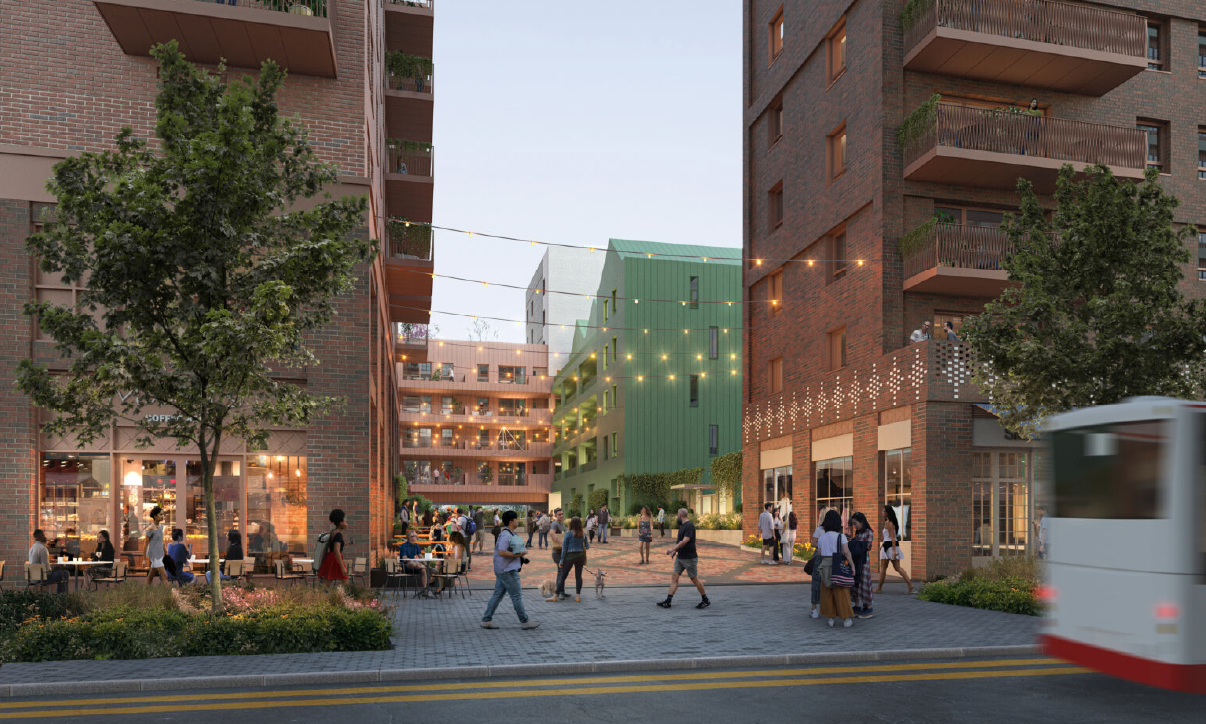
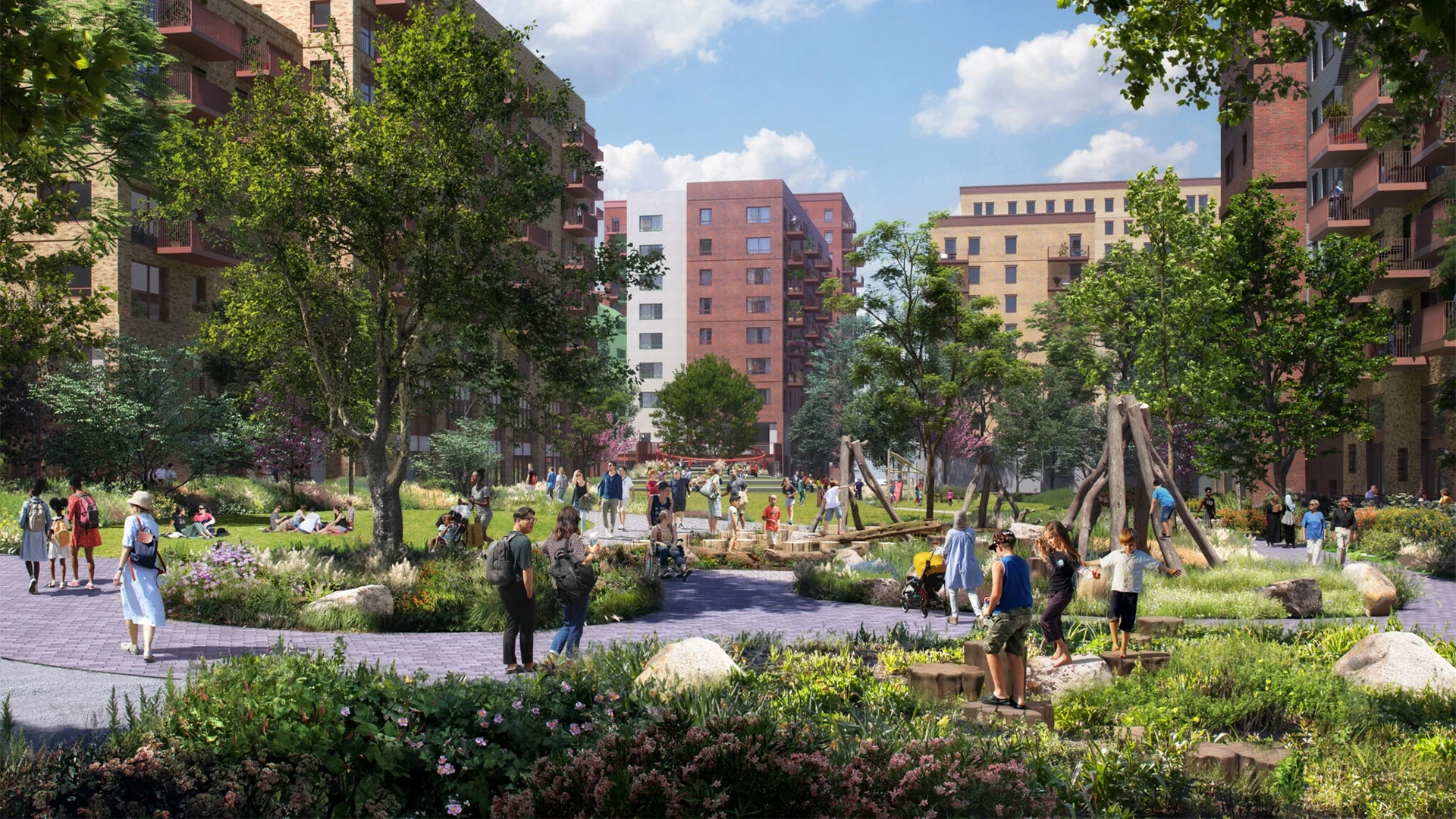
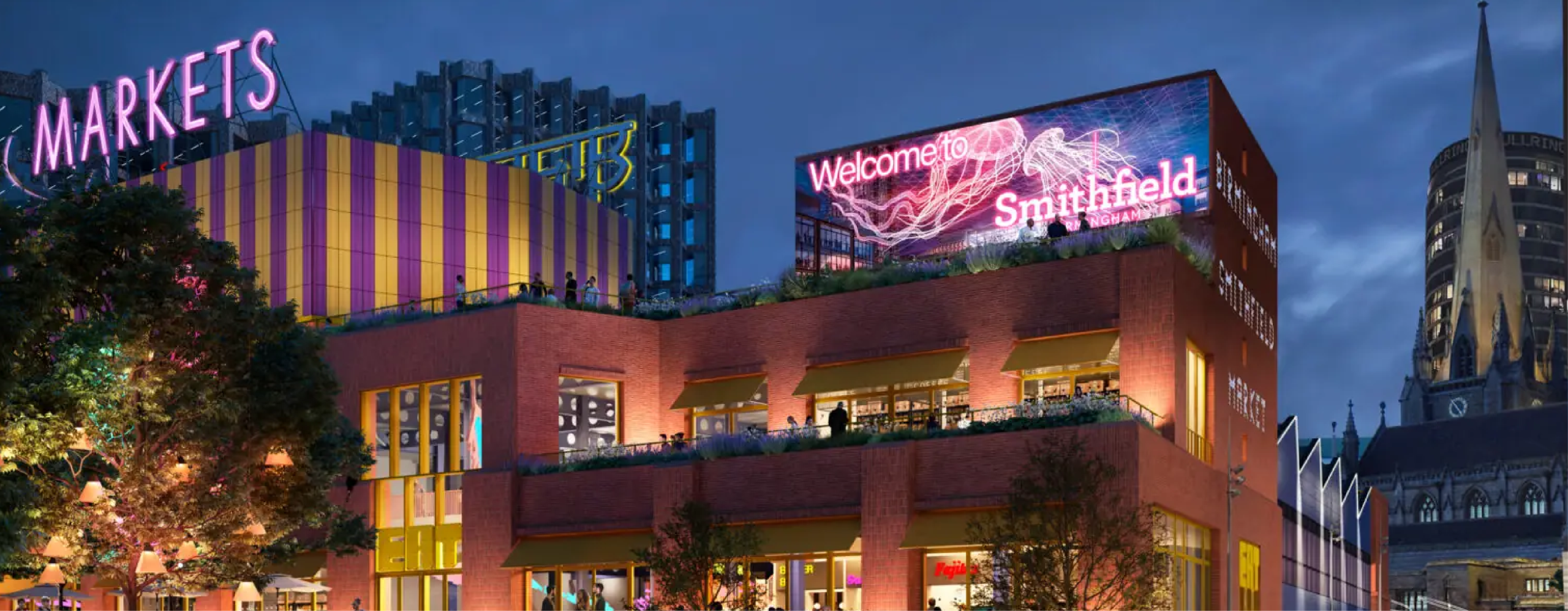
We want to create a place that people in Birmingham will think of as theirs, with real character and quality, and where they will feel comfortable and welcome and want to hang out.
From the conversations we’ve been having, it’s really clear that big swathes of the local population are not that interested in the city centre. They don’t see it as relevant to them. So, we want to Smithfield to be this glorious, incredible place that people will love and cherish and want to keep on coming back to. In the end, that’s what fundamentally underpins development value.
What about you – what legacy would you like to leave?
Actually, for me, I want to knock King’s Cross off the list as the UK’s best regeneration project. It’s been there too long. I want Smithfield to be the scheme that people beyond the UK are talking about too, as somewhere amazing – in the way that people were talking about HafenCity ten years ago, or Rotterdam before that.
Does Smithfield have any similarities with your developments outside the UK?
There are two in Sydney that seem to have a lot of resonance with what we’re doing. Darling Harbour is very focused on a highly activated public space and repairing connectivity in a city, particularly relative to the impact of poor infrastructure, although it’s predominantly commercial. And Barangaroo too, in terms of the activation of the ground floor. But this will be better.
How does good design contribute to a successful regeneration project?
It’s not about the big picture all of the time – the small decisions are super important too. A lot of them are made probably years before you start to put anything on site, so the challenge on a development that will take 20 years is maintaining that consistency of vision. For example, the material palette in Birmingham is really interesting. If you go to the Jewellery Quarter, it’s all black brick with pink granite curbs – very practical, very Victorian. That’s in our palette too, but I had to argue the case for pink granite curbs and insist on them, because concrete is much cheaper.
That said, one of the first things I did when I joined Lendlease was tell them to get rid of all the granite in Elephant Park in London. It’s just not the London material, and it’s so impervious – it never changes. There’s a tendency among developers to specify materials that are maintenance-free and completely unweatherable, but I think the city has to be built to have patina and to look lived in. Part of that is choosing materials that have a kind of natural life. They have to be enduring, but not to the extent that they don’t ever change.
And actually you want to see people maintaining the public realm in a city centre. It’s a good thing to have some staff out and about, whether they’re cutting the grass or trimming the hedges or occasionally replacing the odd bit of sandstone that might have weathered a little bit too much.
You had to do a major redesign of Smithfield to win planning approval – any regrets?
I think it’s definitely better in terms of public realm. My one regret is that in the previous scheme, we were delivering a very high-powered, high-footfall urban street either side of the larger market building. It would have been really interesting to have been involved in something like that – I can’t think of a equivalent. We’re still delivering plenty of streets, but they’re largely residential, and it’s mainly little lanes and ginnels running into the new public square.
It’s been more than seven years since Lendlease won the developer competition. What’s the secret of surviving such a marathon process?
One thing that’s often underappreciated is that creative thinking is really the only way through some of these difficulties. If you’ve got a major issue with your budget on a building, you can only get so far by chopping bits off or adjusting the materials. You have to be prepared to think laterally because some things are insurmountable without complete recalibration.
We get very fixated on process and project management instead. But the best project managers are the ones that appreciate that there’s a dialogue between the creative endeavour and the process.
You also need to gather a team who love what they do, because it is a long, painful journey and it does get fractious at times. Choosing people who are genuinely excited by the proposition – that’s really important.
Ridge is part of the Smithfield team, providing Project Management services across the development.
The full project story will be online this Monday.